
Why Charlie Parker Still Matters
THE GENIUS WHO REMADE MUSIC
Tribute Performance: Sunday, November 8
If modern music had a Big Bang moment, it sounded like Charlie “Bird” Parker putting a sax to his lips. In the 1940s, Parker didn’t just play jazz—he tore open its engine, rebuilt it with rocket fuel, and changed the sound of American culture forever.
Before Bird, jazz was primarily swing: the booming, danceable soundtrack of late-night ballrooms. Parker, along with visionaries like Dizzy Gillespie, pushed music out of the dance hall and into intimate listening clubs. They pioneered bebop, a lightning-fast, daring new genre that demanded listeners sit up and pay attention. In doing so, Parker helped transform jazz from fun background music into an elite, highly respected art form.
So what made his playing so magnetic?
First, Parker was a sonic speed-demon with unmatched rhythm. While earlier musicians tended to land right on the beat, Bird darted around it. He’d launch into blistering, rapid-fire runs, starting and stopping his musical thoughts on unexpected notes. It created a breathtaking, rollercoaster energy that left audiences gasping.
Second, he found hidden colors inside everyday songs. Parker had a knack for stealing the underlying framework of familiar tunes—like George Gershwin’s “I Got Rhythm”—and weaving totally new, intricate melodies on top of them. He took simple pop structures and transformed them into complex musical puzzles without ever losing the groove.
Finally, Bird was a rule-breaker who refused to be boxed in. Though famous for high-speed virtuosity, he loved modern classical composers like Stravinsky. In 1949, he made a groundbreaking move by pairing his jazz quintet with a sweeping classical string orchestra. The resulting album, Charlie Parker with Strings, proved that jazz solos could be as lyrical, heartbreaking, and sophisticated as any classical concerto.
To understand Bird, you don’t need a music degree; you just need ears ready for an adventure. Listen to his legendary performance of “Just Friends” to hear how tenderly a saxophone can sing, or jump into “Koko” for a pulse-pounding display of sheer musical acrobatics.
Charlie Parker played with a fierce, brilliant joy that feels just as alive today as it did eighty years ago. Drop the needle on one of his tracks—you might just find your new favorite artist.
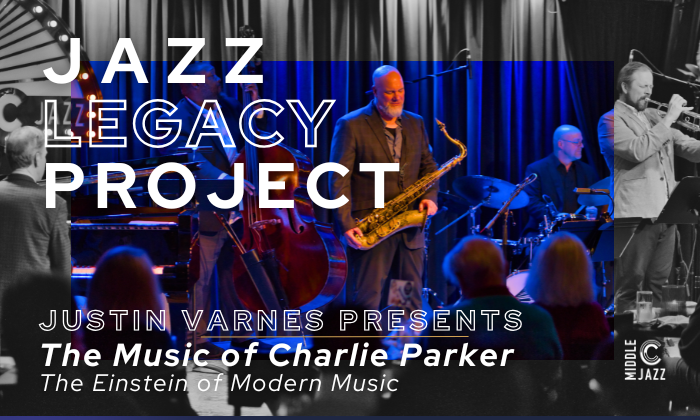
Join Justin Varnes this coming Sunday, November 8th for this month’s series of Jazz Legacy Project, where he shares the brilliance of Charlie Parker through music and stories.
[This article was written with the assistance of AI.]